Outline of the Article:
1. Introduction: The Evolution of Apple EarPods
2. Design and Comfort
3. Sound Quality: A Richer Audio Experience
4. Built-in Remote Functionality
5. Durability and Protection
6. Compatibility Across Apple Devices
7. USB-C Connector: The Future of Apple Audio
8. Practical Everyday Use Cases
9. Comparing EarPods (USB-C) with AirPods
10.Battery-Free Convenience
11.Value for Money
12.What’s Inside the Box
13.System Requirements and Setup
14.User Experience and Reviews
15.Conclusion
16.FAQs
1. Introduction: The Evolution of Apple EarPods
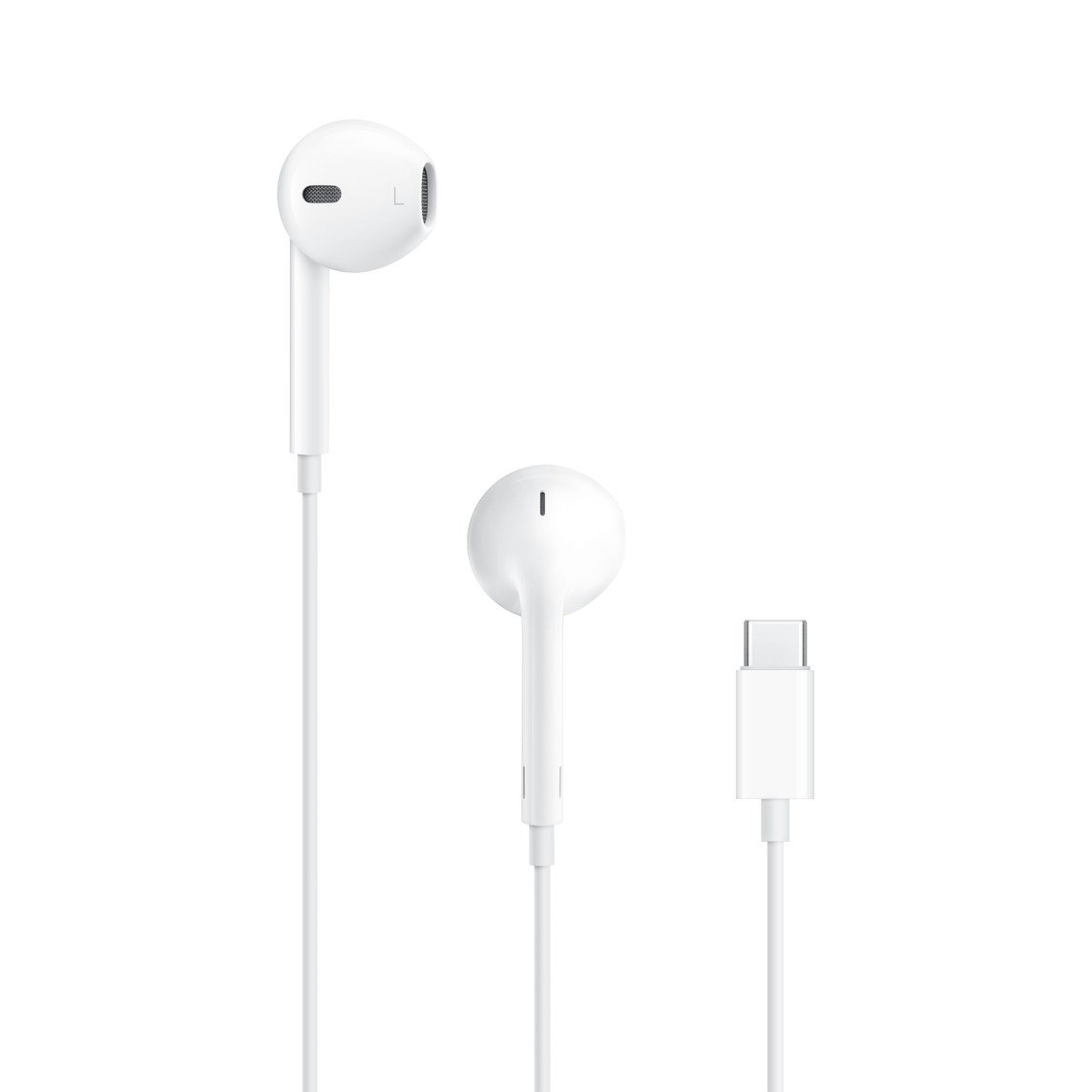
For over a decade, Apple has continuously redefined the way we listen to music. The journey began with the original iPod headphones, then evolved into the sleek white EarPods, and later expanded into the wireless AirPods lineup. But despite the rise of wireless audio, Apple hasn’t abandoned its wired fans. The EarPods (USB-C) represent a modern twist on the classic wired earphones, designed to meet the needs of today’s tech-savvy users who value both simplicity and high-quality sound.
Unlike traditional earbuds, which often feel generic and uncomfortable after long hours of use, Apple designed the EarPods with the natural geometry of the human ear in mind. This makes them more comfortable than most alternatives, while also providing a stable fit for different ear shapes. Pair that with deep, rich sound quality and a handy built-in remote, and you’ve got a product that combines comfort, durability, and convenience in one neat package.
Another major update comes in the form of the USB-C connector. With Apple’s ecosystem gradually moving away from Lightning ports, the new connector makes EarPods future-ready and compatible with the latest iPhone, iPad, and Mac models. Whether you’re a student, a professional, or just someone who enjoys music on the go, the EarPods (USB-C) remain a reliable and affordable choice.
2. Design and Comfort
Apple has always placed design at the heart of its products, and the EarPods are no exception. Unlike circular earbuds that can cause discomfort and pressure points inside the ear, these earphones are crafted using precise measurements of the human ear’s shape. The result is a unique ergonomic design that feels natural and secure.
When you slip them in, you’ll notice they don’t wedge into your ear canal as tightly as some earbuds do. Instead, they rest comfortably, allowing air to flow while still delivering immersive sound. This design also reduces the common issues of irritation and soreness that come with prolonged use of cheaper earphones. For people who wear headphones for hours—whether for study, work calls, or entertainment—comfort is a top priority, and the EarPods score highly in this regard.
Another plus point is stability. Many users find that traditional earbuds slip out easily during workouts or commutes, but the EarPods’ shape helps them stay in place without needing silicone tips or hooks. They’re also lightweight, making them barely noticeable after a while. Apple’s design philosophy has always been about blending simplicity with functionality, and the EarPods perfectly reflect that balance.
3. Sound Quality: A Richer Audio Experience
When it comes to sound, the EarPods (USB-C) deliver far more than their modest size suggests. Apple engineered the internal speakers to maximize output without distortion, resulting in clearer highs, detailed mids, and impressively deep bass tones. Whether you’re listening to an acoustic track, a bass-heavy EDM song, or watching a movie, the sound profile remains balanced and enjoyable.
The bass response deserves special mention. Unlike cheaper wired earphones that often produce muddy or flat bass, the EarPods provide a punchy yet controlled low end. This is especially noticeable in genres like hip-hop, pop, and electronic music. At the same time, vocals and instruments remain clear and crisp, making podcasts, audiobooks, and phone calls just as enjoyable as music.
Another underrated aspect of the EarPods’ sound quality is their natural soundstage. While they’re not designed to compete with professional studio monitors, they do offer a sense of openness that makes music feel less confined. This is particularly useful for casual listening and everyday use, where you want your audio to feel engaging without needing expensive gear.
For many users, EarPods strike the perfect balance: better sound than most budget earphones, without the premium price tag of Apple’s AirPods. It’s this sweet spot that has kept them popular even as wireless alternatives dominate the market.
4. Built-in Remote Functionality
One of the standout features of the EarPods is their integrated remote control, which sits conveniently on the cable. With just a few clicks, you can manage your entire listening experience without pulling your phone out of your pocket or bag. The remote includes:
- Volume Control – A quick press on the “+” or “-” button adjusts the volume instantly.
- Playback Control – A single press pauses or plays your track, a double press skips forward, and a triple press goes back.
- Call Management – With the central button, you can answer calls, hang up, or even decline with a long press.
This level of convenience makes the EarPods especially appealing for multitaskers. Imagine you’re on a run, in the middle of a workout, or rushing through a commute—you don’t want to fumble with your device every time you need to change a track or adjust the sound. The remote puts control at your fingertips.
Another important detail is microphone quality. The built-in mic is surprisingly good for calls, video meetings, or voice recordings. While it won’t replace a professional mic setup, it offers clarity that’s more than enough for everyday conversations. This makes the EarPods not just music accessories but also practical communication tools.
5. Durability and Protection
Apple designed the EarPods (USB-C) with everyday durability in mind. They’re not just comfortable and stylish—they’re also built to withstand the wear and tear of daily use. For starters, they come with a sweat- and water-resistant coating, making them suitable for workouts, outdoor runs, and even light rain. While they’re not meant for swimming, they can easily handle the challenges of an active lifestyle.
The cables are flexible yet sturdy, reducing the risk of tangling or snapping. Compared to cheaper earphones that often break near the connector or remote, Apple has ensured the EarPods maintain their reliability over time. Many users report using the same pair for years without issues, which is a testament to their long-lasting build quality.
Another aspect of durability comes from the simplicity of the design. With no batteries, no charging ports, and no fragile moving parts, there’s less that can go wrong compared to wireless headphones. This makes them not only more reliable but also more environmentally friendly, as you won’t need to replace them as often.
In short, the EarPods are not just an affordable option but also a resilient choice for daily use, whether you’re exercising, commuting, or just relaxing at home.???6. Compatibility Across Apple Devices
One of the biggest advantages of the EarPods (USB-C) is how seamlessly they fit into Apple’s modern ecosystem. As Apple transitions from Lightning to USB-C, these EarPods are future-ready and compatible with the latest lineup of devices. You don’t need adapters or converters—just plug them in, and you’re good to go.
For iPhone users, compatibility starts with models running iOS 17 or later that feature a USB-C port. If you’ve upgraded to one of the latest iPhone models, you can enjoy a smooth plug-and-play experience without worrying about wireless pairing or battery levels. This makes EarPods particularly useful for people who don’t want the hassle of managing Bluetooth connections.
For iPad owners, EarPods work with USB-C models running iPadOS 16.4 or later. This is especially handy for students or professionals who use iPads for online classes, Zoom meetings, or video editing. You can simply connect the EarPods and jump straight into work or entertainment without setup delays.
Finally, Mac users with USB-C ports running macOS Monterey 12.6 or later can also use these EarPods. Whether it’s listening to music while working, joining a conference call, or editing audio, the EarPods provide consistent performance across devices. Apple designed them to be universally compatible within its ecosystem, giving users the flexibility to use a single pair of earphones across multiple devices.
In short, if you’re deeply invested in the Apple ecosystem, the EarPods (USB-C) are a reliable companion that works across iPhone, iPad, and Mac without missing a beat.
7. USB-C Connector: The Future of Apple Audio
The shift to USB-C isn’t just a small design change—it’s a bold step toward creating a universal standard. For years, Apple relied on its proprietary Lightning connector, which worked well but limited compatibility with non-Apple devices. With USB-C, things are changing. Now, your EarPods can connect not just to Apple devices but potentially to a wide range of USB-C-enabled gadgets.
But what makes USB-C so important? First, it’s faster and more efficient when it comes to power and data transfer. While this may not directly affect earphones, it reflects the future of connectivity. More importantly, USB-C is universally recognized, meaning fewer adapters and a more streamlined experience across different devices. Imagine carrying one pair of EarPods and being able to use them with your iPhone, iPad, Mac, or even certain laptops and tablets outside of Apple’s ecosystem.
Another benefit is improved durability. The USB-C connector is built to handle more insertions and removals compared to older connectors, reducing the risk of wear and tear over time. Plus, it eliminates the frustration of having to plug it in the “right way”—USB-C works in both directions, making it user-friendly.
By moving to USB-C, Apple isn’t just keeping up with industry trends—it’s setting the stage for the next decade of audio and data connectivity. For users, this means greater convenience, wider compatibility, and a product that won’t feel outdated anytime soon.
8. Practical Everyday Use Cases
The beauty of the EarPods (USB-C) lies in their versatility. They’re not just earphones—they’re tools that fit into different aspects of everyday life. Let’s look at some practical scenarios where EarPods shine:
- For music lovers: If you enjoy listening to music without worrying about charging batteries, EarPods are the perfect choice. The deep bass tones and balanced audio make them great for everything from pop hits to classical symphonies.
- For students: Online classes, study sessions, and group discussions are more effective with clear sound and a reliable microphone. EarPods ensure you stay focused without technical hiccups.
- For professionals: Whether you’re attending back-to-back Zoom meetings or taking calls while working remotely, the built-in remote and mic make communication smooth and professional.
- For travelers: Commuting on buses, trains, or flights often requires earphones that are easy to carry and always ready to use. With no need for charging, EarPods are the ultimate travel companion.
- For fitness enthusiasts: Thanks to their sweat resistance and stable fit, EarPods work well during workouts, runs, or gym sessions.
The best part is their plug-and-play simplicity. Unlike wireless alternatives that require pairing, updates, and battery monitoring, EarPods are ready the moment you connect them. They may not have the “cool” factor of AirPods, but when it comes to reliability and practicality, they’re hard to beat.
9. Comparing EarPods (USB-C) with AirPods
Naturally, the question arises: How do EarPods compare to AirPods? While both products come from Apple, they serve different audiences and needs.
- Price: EarPods are significantly cheaper than AirPods, making them accessible to a wider range of users. If you’re on a budget, EarPods provide great value for money without compromising too much on sound quality.
- Wired vs. Wireless: AirPods offer the freedom of wireless connectivity, which is great for workouts and multitasking. However, this comes with the responsibility of charging them regularly. EarPods, on the other hand, never run out of battery, giving you unlimited usage time.
- Sound performance: While AirPods generally offer a more advanced sound experience with features like spatial audio and active noise cancellation (in Pro models), EarPods still deliver a solid, well-balanced sound that satisfies everyday listening needs.
- Convenience: With AirPods, you get wireless pairing and touch controls. With EarPods, you get the simplicity of plug-and-play and a reliable wired connection that never drops.
In the end, it comes down to what you value more: convenience and features (AirPods) or simplicity and affordability (EarPods). For many, the EarPods remain a practical backup even if they already own AirPods, thanks to their reliability and no-battery design.
10. Battery-Free Convenience
One of the most underrated benefits of the EarPods (USB-C) is that they’re completely battery-free. Unlike wireless earphones that constantly need charging, these wired EarPods are always ready to use. This means you’ll never experience the dreaded “low battery” warning just when you’re about to enjoy your favorite playlist or jump into an important call.
This also makes EarPods an excellent choice for long listening sessions. Imagine being on a long-haul flight, a road trip, or a marathon study session—where AirPods might die after a few hours, EarPods keep going without interruption. Their wired connection ensures stable, consistent sound without delays or drops caused by Bluetooth interference.
From an eco-friendly perspective, battery-free earphones also have an advantage. Since they don’t require built-in rechargeable batteries, they contribute less to electronic waste in the long term. And because they last longer, you won’t be replacing them as often as you might replace wireless earbuds.
For anyone who values reliability, simplicity, and unlimited listening, the EarPods are a clear winner. They may not have all the bells and whistles of wireless models, but they offer something just as valuable: peace of mind.???11. Value for Money
When it comes to audio accessories, value for money is often a deciding factor, and the EarPods (USB-C) excel in this area. While AirPods and other premium wireless earphones carry a hefty price tag, EarPods are far more affordable while still delivering a polished Apple experience. For a fraction of the cost, you get a product designed by Apple with a focus on comfort, sound quality, and reliability.
Let’s break it down:
- Affordability: EarPods are one of the most budget-friendly Apple products. This makes them a great choice for students, casual listeners, or anyone who wants high-quality sound without overspending.
- Durability: Thanks to their sweat- and water-resistant design, as well as sturdy construction, EarPods last longer than many cheap alternatives. Over time, this makes them a smarter investment than constantly replacing low-cost knockoffs.
- Practicality: Unlike wireless earbuds that require constant charging or risk connectivity issues, EarPods are always ready to go. This adds immense value for people who need reliability in their daily routines.
- Apple ecosystem integration: With seamless compatibility across iPhone, iPad, and Mac, you don’t need separate headphones for each device. That’s value not just in price, but also in convenience.
For those who already own AirPods, EarPods can serve as a reliable backup, especially during travel or in situations where wireless earbuds might not be ideal. Ultimately, EarPods (USB-C) prove that you don’t have to spend a fortune to enjoy premium quality audio and functionality from Apple.
12. What’s Inside the Box
Apple has always followed a minimalist philosophy when it comes to packaging, and the EarPods (USB-C) are no exception. When you open the box, you’ll find exactly what you need—no more, no less.
- EarPods with USB-C connector: neatly wrapped and ready to plug in.
That’s it—no adapters, no extra cables, no unnecessary clutter. While some may see this as a lack of extras, Apple’s approach reflects a focus on simplicity and sustainability. By reducing packaging materials and avoiding unnecessary add-ons, Apple contributes to its broader environmental goals.
For most users, this is actually a good thing. Since the EarPods are plug-and-play, you don’t need extra setup tools. Everything you need for an enjoyable listening experience is already built into the product. This simplicity ensures that you can open the box and start using them within seconds.
It’s a reminder that sometimes, less is more—and with EarPods, the product itself is the highlight.
13. System Requirements and Setup
The system requirements for EarPods (USB-C) are straightforward, ensuring a seamless experience for Apple users:
- iPhone models with USB-C running iOS 17 or later
- iPad models with USB-C running iPadOS 16.4 or later
- Mac models with USB-C running macOS Monterey 12.6 or later
If your device meets these requirements, the setup is as simple as it gets: just plug in the EarPods, and they’re ready to go. No drivers, no pairing, no updates needed.
This plug-and-play simplicity is one of the biggest advantages of wired earphones compared to wireless alternatives. You don’t have to worry about software glitches, Bluetooth pairing failures, or firmware updates that sometimes complicate wireless devices.
For new Apple users, this ease of use makes EarPods a perfect first accessory. And for longtime Apple fans, they continue to offer the same reliability and user-friendly design that has made them a staple product for years.
14. User Experience and Reviews
The user experience with EarPods (USB-C) has been overwhelmingly positive, especially among those who prefer wired earphones over wireless ones. Customers highlight several key advantages:
- Comfortable fit: Many users report being able to wear them for hours without discomfort, something not always possible with in-ear silicone tips.
- Reliable sound: The sound quality is consistently praised for being clear, balanced, and punchy, especially at this price point.
- Convenience: The lack of charging requirements is often cited as a major benefit. Users love that they’re always ready to use.
- Durability: Despite their lightweight feel, users often mention that EarPods outlast many budget earphones.
Of course, not all feedback is perfect. Some users note that the lack of noise cancellation means they’re not ideal for very noisy environments, and being wired can feel limiting compared to the freedom of wireless AirPods. However, these critiques are minor when weighed against the affordability and dependability of the product.
Overall, EarPods (USB-C) continue to earn a strong reputation for providing a no-nonsense, high-quality audio experience at a price point that makes sense for most users.
15. Conclusion
The Apple EarPods (USB-C) prove that sometimes the simplest solutions are the most effective. In a world where wireless earbuds dominate the market, EarPods stand out as a reliable, affordable, and practical alternative. With their ergonomic design, rich sound quality, built-in remote, and sweat resistance, they check all the boxes for everyday users.
Their USB-C connector ensures compatibility with Apple’s latest devices, while their battery-free design guarantees unlimited use without interruptions. Add in their value for money, ease of setup, and positive user reviews, and it’s clear why EarPods remain a fan favorite—even in the age of AirPods.
If you’re looking for earphones that combine comfort, performance, and simplicity without breaking the bank, the EarPods (USB-C) are still one of the best choices you can make.
Read our previous Article about Best Samsung Galaxy S23 Ultra Cases in 2025
16. FAQs
Are EarPods (USB-C) better than AirPods?
Not necessarily—they serve different needs. AirPods offer wireless freedom and advanced features, while EarPods provide affordability, unlimited listening, and simple plug-and-play convenience.
Do EarPods (USB-C) work with non-Apple devices?
Yes, they can work with some non-Apple USB-C devices, but full functionality (like the remote controls) may vary depending on compatibility.
Can you use them while working out?
Absolutely! With their sweat- and water-resistant design, EarPods are suitable for workouts, runs, and gym sessions.
How long do EarPods usually last?
With proper care, many users report using their EarPods for several years, thanks to their durable construction.
What makes them different from other wired earphones?
Unlike generic earbuds, EarPods are designed with the natural shape of the ear in mind, offering superior comfort and balanced audio, along with seamless Apple ecosystem integration.